Retrofitting Smart Home Automation Into Older Electrical Systems
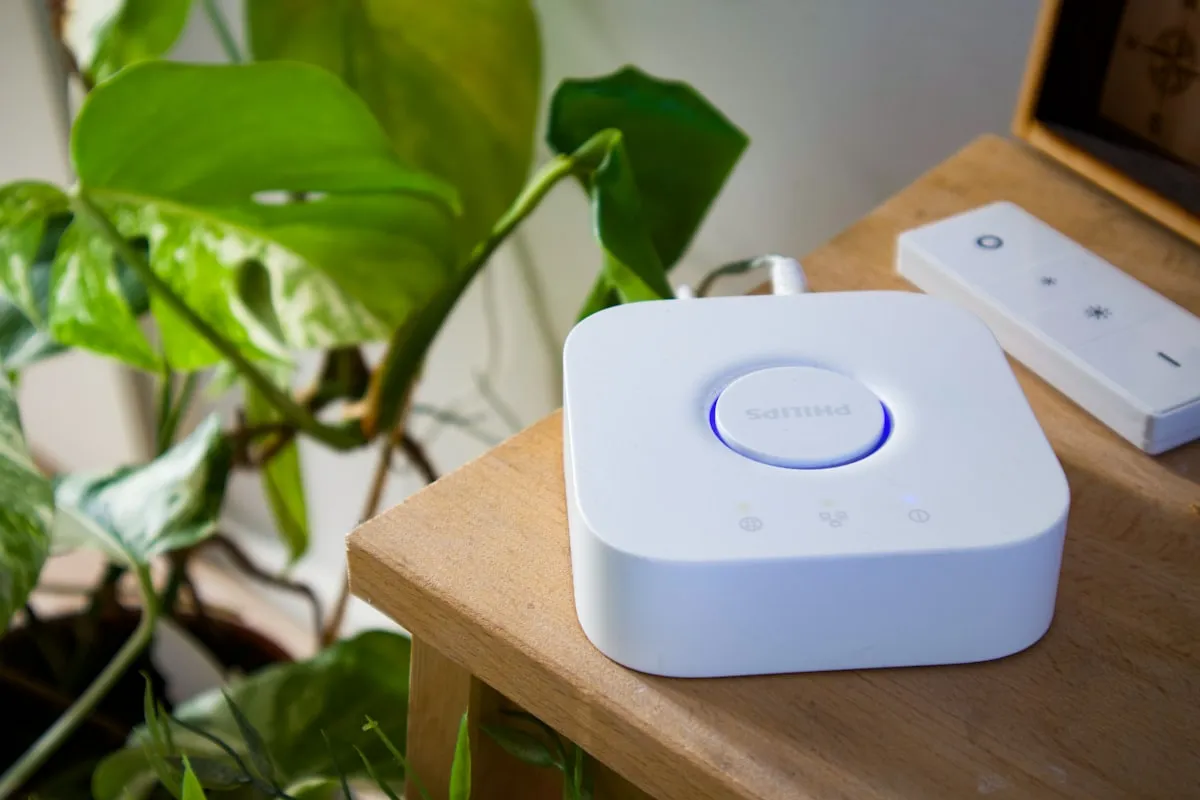
Modern Smart Switches Make Retrofitting Simple
Many modern Smart Switches feature self-adjusting voltage compatibility and push-button mounting guides for easy retrofit into older homes, often requiring only a simple snap-in design that connects to existing switch boxes without additional wiring. This solves a major problem for Oklahoma homeowners living in homes built in the 1960s through 1980s, where rewiring would typically cost thousands of dollars.
As someone who’s worked on countless older homes across the OKC metro, I can tell you that the biggest barrier to smart home adoption has always been the electrical work required. Today’s smart switches eliminate that concern. The snap-in design means you can upgrade your lighting control in an afternoon, using the existing wiring that’s already in your walls.
The key advantage is voltage compatibility. Older Oklahoma homes often have inconsistent electrical systems. Some circuits might be 15-amp, others 20-amp, and the wiring itself varies in age and quality. Modern smart switches automatically adjust to work with whatever they encounter.
Key Takeaway: Modern smart switches retrofit into existing switch boxes without additional wiring, making smart lighting accessible for any Oklahoma home regardless of age.
Wireless Components Enable Full Home Automation
Smart lighting control systems can be installed in existing homes using wireless components, allowing upgrades without a full renovation. This approach is particularly valuable for older Oklahoma homes where running new wires would mean tearing into plaster walls or crawling through cramped attics filled with blown insulation.
Wireless retrofit solutions include:
- Zigbee and Z-Wave switches that communicate through mesh networks
- Battery-powered sensors for doors, windows, and motion detection
- Wireless thermostats that control existing HVAC systems
- Smart plugs that add automation to any outlet
The wireless approach works exceptionally well with Home Assistant integration, which can coordinate all these devices locally without relying on cloud services. This means your smart home keeps working even during Oklahoma’s frequent storm-related internet outages.
Hardwired connections are preferred for reliability in smart home setups, but wireless options enable retrofitting without major electrical changes. In my experience, the reliability gap between hardwired and wireless has narrowed significantly. Modern wireless protocols are robust enough for daily use, especially when you have a well-designed mesh network.
Smart Panels: The Ultimate Electrical System Upgrade
Smart Panels track energy use in real time, allow circuit control from a phone, prioritize power during outages, and integrate with battery storage; installation requires a licensed electrician to evaluate older panels and wiring. For Oklahoma homeowners with electrical panels from the 1970s or 1980s, this represents the most comprehensive retrofit solution available.
Smart panels address several issues common in older Oklahoma homes:
- Circuit identification: No more guessing which breaker controls what
- Load monitoring: See exactly how much power each circuit uses
- Remote control: Turn off circuits when you’re away from home
- Outage management: Automatically reduce non-essential loads during emergencies
The installation process requires professional evaluation because older electrical systems often have:
- Undersized service entrances (100-amp instead of 200-amp)
- Outdated breaker types that may not be compatible
- Aluminum wiring that needs special consideration
- Grounding issues that must be addressed first
I always recommend having a licensed electrician assess the existing panel before planning a smart panel retrofit. Oklahoma’s weather patterns (from ice storms to severe thunderstorms) make having circuit-level control and battery backup integration particularly valuable.
Key Takeaway: Smart panels provide the most comprehensive retrofit solution but require professional electrical evaluation to ensure compatibility with older wiring systems.
Planning Your Retrofit Without Full Renovation
Smart home electrical upgrades like dedicated circuits and proper outlet placement are essential for performance, especially when retrofitting older systems. The good news is that strategic upgrades can dramatically improve your smart home performance without gutting walls.
Here’s my recommended retrofit sequence for older Oklahoma homes:
Phase 1: Wireless Foundation
- Install smart switches in high-traffic areas
- Add wireless sensors for doors and windows
- Upgrade to a smart thermostat
- Set up no-subscription smart home hub
Phase 2: Strategic Wiring
- Run new circuits to critical areas (home office, entertainment center)
- Upgrade outlets near technology concentrations
- Install dedicated circuits for high-power devices
Phase 3: Advanced Integration
- Consider smart panel upgrade if electrical service allows
- Add battery backup for essential circuits
- Integrate with renewable energy if desired
This phased approach spreads costs over time and lets you test what works before making larger investments. Many of our Oklahoma clients start with Phase 1 and are surprised by how much functionality they gain with minimal electrical work.
Working With Oklahoma’s Unique Challenges
Retrofitting smart home automation in Oklahoma presents specific considerations that don’t apply everywhere else. Our weather patterns are particularly demanding on electrical systems, and older homes often weren’t built with modern power demands in mind.
Weather-Related Considerations:
- Ice storms can knock out power for days
- Severe thunderstorms cause frequent voltage fluctuations
- High summer cooling loads stress older electrical systems
- Tornado warnings require reliable emergency communication
Common Older Home Issues:
- Inadequate outlet placement for modern technology
- Overloaded circuits from decades of additions
- Poor grounding that affects smart device performance
- Limited amperage for whole-home automation
The key is working with these limitations rather than fighting them. Wireless solutions work well in situations where running new wire is impractical, while strategic electrical upgrades address the most critical bottlenecks.
Cost-Effective Retrofit Strategies
Retrofitting doesn’t have to break the bank. Smart planning can deliver significant automation benefits while respecting budget constraints common among Oklahoma homeowners.
High-Impact, Low-Cost Upgrades:
- Smart switches in main living areas ($30-60 each)
- Wireless door/window sensors ($20-30 each)
- Smart thermostat with existing HVAC integration ($150-300)
- Smart plugs for lamp and appliance control ($10-25 each)
Medium Investment Upgrades:
- Dedicated smart home network equipment ($200-500)
- Professional electrical assessment ($150-300)
- Strategic outlet additions ($100-200 per outlet)
- Whole-home mesh network setup ($300-600)
Major Investment Upgrades:
- Smart panel replacement ($2,000-5,000)
- Service entrance upgrade ($1,500-3,000)
- Whole-home rewiring ($8,000-15,000)
- Battery backup integration ($5,000-12,000)
The sweet spot for most Oklahoma homeowners lies in the first two categories. You can achieve remarkable automation capabilities with smart switches, wireless sensors, and a properly configured hub, all for under $1,000 total investment.
Professional vs. DIY Installation
While many retrofit solutions are DIY-friendly, knowing when to call professionals protects both your investment and your safety. Oklahoma’s electrical codes are strict, and insurance companies pay close attention to electrical modifications.
Safe DIY Projects:
- Installing smart switches in existing boxes
- Setting up wireless sensors and hubs
- Configuring smart plugs and outlets
- Programming automation routines
Professional Required:
- Any work involving electrical panels
- New circuit installation
- Service entrance modifications
- HVAC system integration
I always recommend starting with DIY-friendly wireless solutions to test your smart home preferences before investing in permanent electrical changes. This approach also helps identify which circuits might benefit from professional attention.
At Leios Consulting, we help Oklahoma homeowners navigate these decisions with smart home installation services that respect your budget while ensuring safety and reliability. Whether you’re looking to start small with a few smart switches or planning a comprehensive retrofit, we can help you make the most of your older home’s existing electrical system.
Frequently Asked Questions
Can you add smart lighting control to an existing older home?
Yes, modern smart switches feature self-adjusting voltage compatibility and snap-in designs that work with existing switch boxes without additional wiring. Wireless smart lighting systems also allow full automation without any electrical changes.
Do I need to rewire my older home for smart home automation?
No, complete rewiring is not necessary. Wireless components enable smart home upgrades without major electrical changes, though some strategic wiring upgrades may improve performance for high-power devices.
What does a smart panel do and should I upgrade my older electrical panel?
Smart panels provide real-time energy monitoring, remote circuit control, outage management, and battery storage integration. Installation requires professional evaluation of older wiring, but offers the most comprehensive retrofit solution.
How much does it cost to retrofit smart home automation into an older house?
Basic wireless retrofits with smart switches and sensors typically cost under $1,000. More extensive upgrades including smart panels and electrical work can range from $2,000-15,000 depending on the scope of changes needed.
Is smart home retrofit installation safe for DIY in older homes?
Installing smart switches in existing boxes and setting up wireless components is generally safe for DIY. However, any work involving electrical panels, new circuits, or service upgrades requires a licensed electrician for safety and code compliance.
Ready to get started?
Leios Consulting provides professional smart home and networking services throughout Oklahoma. Schedule a free consultation to discuss your project.
Contact Us