Chinese State-Sponsored Typhoon Groups and the FCC Router Ban: IoT Security & VLAN Implications
The FCC’s Historic Router Ban: A Response to State-Sponsored Threats
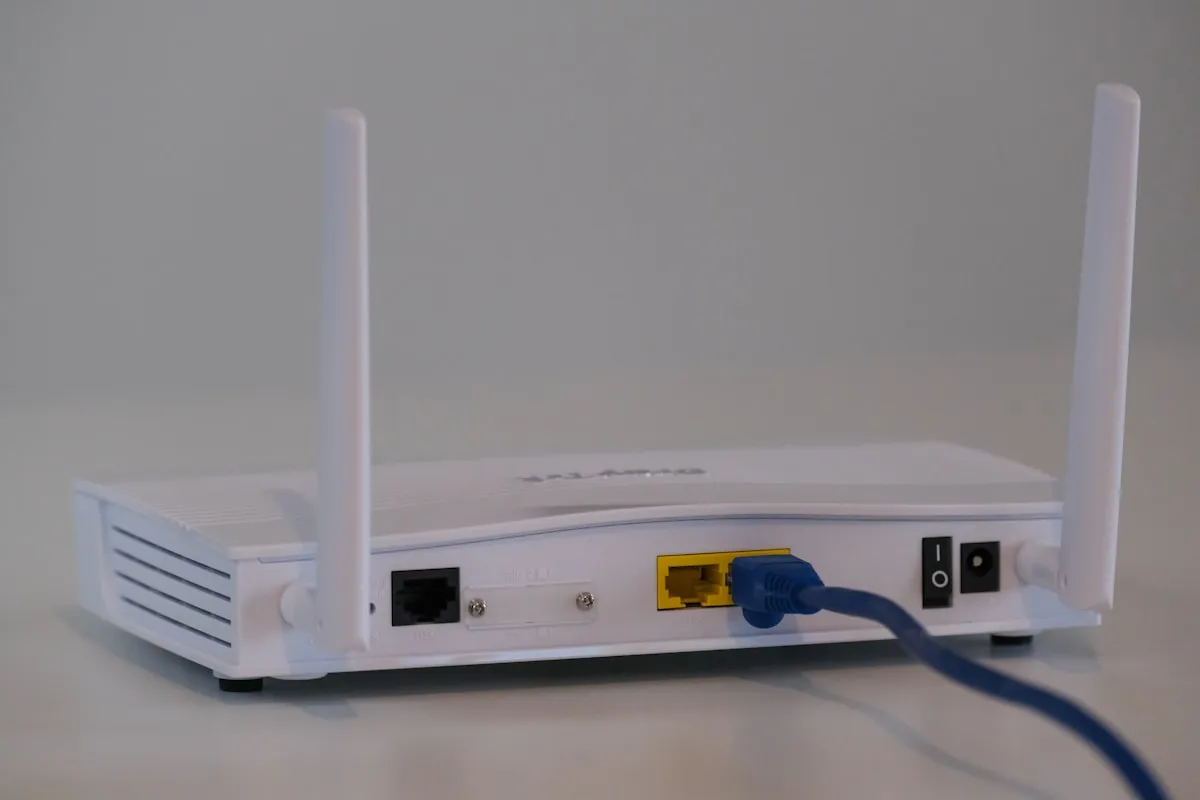
The FCC announced a ban on importing Wi-Fi routers and networking equipment manufactured outside the United States, with exemptions for existing authorized products until March 1, 2027; brands can seek conditional approval for future products or cease US sales. This ban directly targets national security risks from foreign actors potentially accessing American homes, businesses, and critical infrastructure via built-in backdoors. The timing follows growing concerns about cybersecurity threats to American infrastructure.
Approximately 60% of home routers in the US are manufactured by Chinese companies, including popular brands like TP-Link that many Oklahoma homeowners rely on for their internet connectivity. Even Google’s Nest Wifi devices are manufactured overseas, showing how common foreign manufacturing has become in networking equipment.
The ban doesn’t immediately affect existing routers in homes, but it changes how we approach network infrastructure moving forward. For Oklahoma homeowners building smart homes or upgrading their networks, this creates an opportunity to reassess both equipment choices and protection strategies.
Key Takeaway: The FCC router ban affects new imports only—existing routers remain functional, but this creates an opportunity to evaluate your network’s architecture and protection against potential backdoors.
Understanding State-Sponsored Cybersecurity Threats
State-sponsored hacking groups pose significant risks to American infrastructure through compromised networking equipment. These groups don’t just exploit software vulnerabilities—they can leverage hardware-level backdoors embedded during manufacturing. When routers come with pre-installed firmware that communicates with foreign servers, they potentially provide intelligence services with direct pathways into networks.
For Oklahoma homeowners, this extends beyond theoretical concerns. Our state hosts significant energy infrastructure, military installations like Tinker Air Force Base, and growing tech sectors that make us attractive targets for reconnaissance and intelligence gathering.
Router Supply Chain Vulnerabilities
Finding Wi-Fi routers both designed and manufactured entirely in the US is challenging due to dominant foreign supply chains. This creates a fundamental problem: even “American” brands often rely on Chinese manufacturing, potentially introducing vulnerabilities at the hardware level.
The FCC’s statement makes their position clear: “Routers in the United States must have trusted supply chains so we are not providing foreign actors with a built-in backdoor to American homes, businesses, critical infrastructure, and emergency services.”
This supply chain issue extends beyond just routers. Many IoT devices in smart homes. From cameras to smart switches. Rely on similar manufacturing processes and firmware that could contain backdoors. The router ban begins a broader reckoning with foreign-manufactured network equipment.
IoT Device Risks in Smart Homes
Your smart home’s IoT devices represent multiple potential entry points for bad actors. Each connected device. Whether it’s a smart thermostat, doorbell camera, or automated lock. Communicates through your home network. If that network runs through a compromised router, every device becomes vulnerable.
Consider a typical Oklahoma smart home setup:
- Smart thermostats managing HVAC during extreme weather
- Automated lighting systems
- Smart locks and entry systems
- Weather monitoring stations
- Automated irrigation controllers
Each of these devices collects data about your daily routines, when you’re home or away, and how you interact with your property. In the wrong hands, this information becomes valuable for physical targeting, identity theft, or broader intelligence gathering.
The interconnected nature of modern smart homes means a single compromised device can potentially provide access to your entire network. This is where proper network segmentation becomes necessary.
Key Takeaway: Every IoT device in your smart home represents a potential entry point. Proper network segmentation through VLANs can contain breaches and limit damage from compromised devices.
VLAN Implementation for Smart Home Protection
Virtual Local Area Networks (VLANs) create separate network segments within your home, isolating different types of devices from each other. Think of VLANs as creating multiple secure “rooms” within your network, each with its own access controls and monitoring.
A typical Oklahoma smart home VLAN structure might include:
Trusted VLAN: Your personal devices. Laptops, phones, tablets IoT VLAN: Smart home devices like thermostats, lights, and sensors Guest VLAN: Visitor device access with internet-only permissions Management VLAN: Network equipment and administrative access
This segmentation means that even if an IoT device gets compromised, attackers can’t easily jump to your personal computers or other network segments. For Oklahoma homeowners using Home Assistant integration, VLANs become especially important because they allow local control of smart devices while maintaining network isolation.
Implementing VLANs with Professional-Grade Equipment
Proper VLAN implementation requires managed switches and access points that support 802.1Q VLAN tagging. Consumer-grade equipment often lacks these capabilities, which is where enterprise networking solutions become valuable for serious smart home implementations.
UniFi equipment, for example, provides straightforward VLAN management through their controller software. You can:
- Create separate SSIDs for different device categories
- Implement firewall rules between VLANs
- Monitor traffic patterns and detect unusual behavior
- Apply bandwidth limits to prevent IoT device abuse
For Oklahoma homeowners building new construction or renovating existing homes, proper network infrastructure planning during construction makes VLAN implementation much easier and more cost-effective.
Practical Steps for Oklahoma Homeowners
Given the FCC router ban and ongoing security concerns, Oklahoma homeowners should take immediate action to assess and improve their network architecture:
- Audit Current Equipment: Identify all networking gear and its country of origin
- Plan VLAN Structure: Design network segments based on device types and trust levels
- Upgrade to Managed Equipment: Invest in professional-grade switches and access points
- Implement Monitoring: Set up network monitoring to detect unusual traffic patterns
- Regular Firmware Updates: Maintain current firmware on all networking equipment
The transition period through March 1, 2027, provides time to plan upgrades strategically rather than rushing into expensive emergency replacements.
Long-Term Implications for Smart Home Integration
The FCC router ban represents a fundamental shift toward viewing home networking as critical infrastructure deserving military-grade protection considerations. For Oklahoma homeowners investing in smart home technology, this means:
- Higher equipment costs as domestic manufacturing scales up
- Increased emphasis on local processing and control
- Greater importance of professional network design and implementation
- Need for ongoing security monitoring and updates
These changes actually align well with local-control smart home philosophies. Systems like Home Assistant that process data locally rather than in the cloud become more attractive when network trust becomes a primary concern.
Moving Forward with Secure Smart Homes
The intersection of geopolitical tensions and home technology might seem distant from daily life in Oklahoma, but the FCC router ban makes it immediately relevant for every homeowner. The good news is that proper network design and VLAN implementation not only address security concerns but also improve smart home performance and reliability.
At Leios Consulting, we help Oklahoma homeowners navigate these complex decisions through comprehensive network design and smart home integration services. Our focus on local control and professional-grade infrastructure aligns well with the new security-first approach to home networking.
Whether you’re building new construction in Moore or upgrading an existing home in Edmond, now is the time to think seriously about network architecture as a foundation for both security and smart home functionality. Contact us to discuss how we can help design a secure, future-ready network for your Oklahoma home.
Frequently Asked Questions
Does the FCC router ban affect routers already in my home?
No, the ban only affects new imports after March 23, 2026. Existing routers with FCC authorization continue working normally, with a transition period extending through March 1, 2027.
Should I replace my TP-Link router because of the FCC ban?
Your current TP-Link router will continue working, but you might consider upgrading to address potential security vulnerabilities and implement better network segmentation through VLANs.
What are VLANs and how do they improve IoT security in smart homes?
VLANs create separate network segments within your home, isolating different device types from each other. This means if one IoT device gets compromised, attackers can't easily access other parts of your network.
How do Chinese Typhoon hacking groups relate to home routers?
Typhoon groups are Chinese state-sponsored hackers who exploit backdoors in foreign-manufactured networking equipment. The FCC router ban directly responds to threats from these groups targeting US infrastructure through compromised home and business routers.
What routers are made in the US and not affected by the ban?
Very few routers are entirely designed and manufactured in the US due to dominant foreign supply chains. The ban is driving domestic manufacturing growth, but options remain limited in the short term.
Ready to get started?
Leios Consulting provides professional smart home and networking services throughout Oklahoma. Schedule a free consultation to discuss your project.
Contact Us