TP-Link Omada vs. UniFi Dream Machine: Complete Oklahoma Home Network Showdown
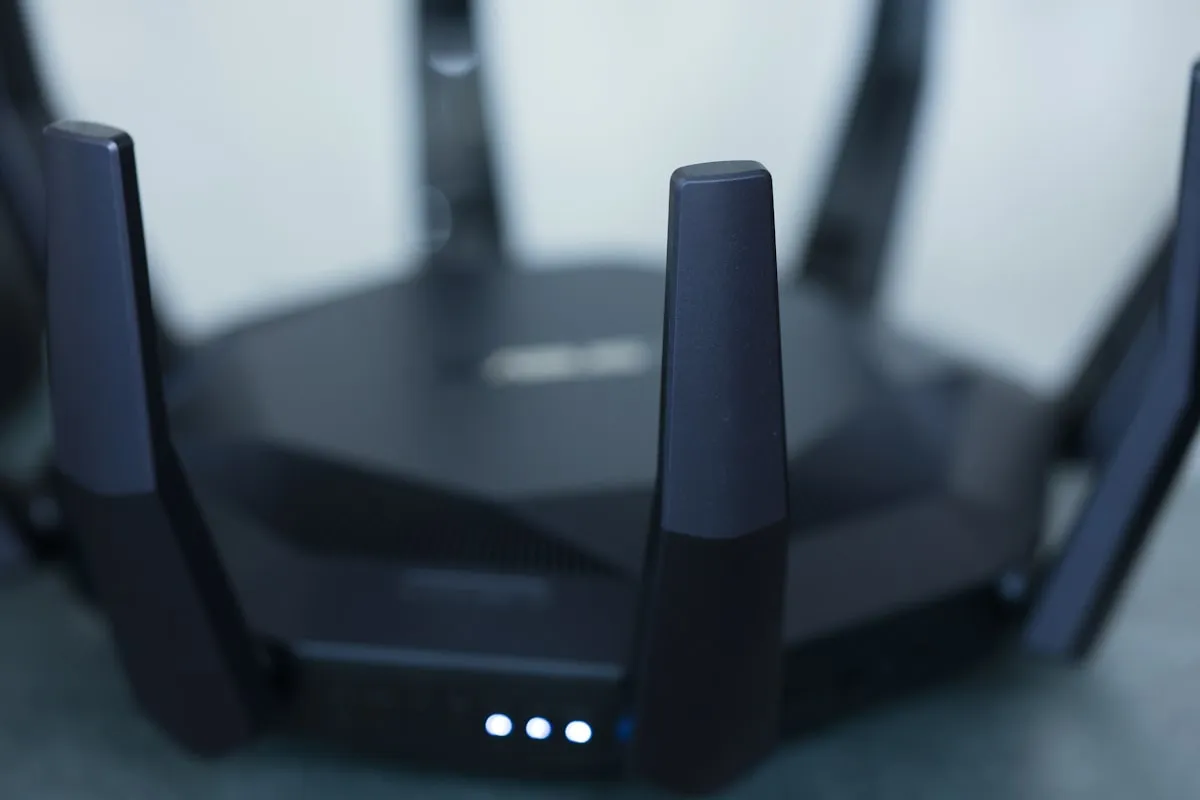
TP-Link Omada vs. UniFi: The 2026 Home Network Reality Check
TP-Link Omada offers lower upfront hardware costs across APs, switches, and gateways compared to UniFi, which is generally 15-30% more expensive for equivalent hardware. However, recent market shifts have narrowed this gap significantly, making the choice between these enterprise-grade networking platforms more complex for Oklahoma homeowners.
As someone who has deployed both systems across the Oklahoma City metro area, I’ve seen how these platforms perform in real-world conditions. From Edmond’s newer neighborhoods to Tulsa’s established homes, the networking needs of Oklahoma families have evolved dramatically with the rise of smart home automation and remote work requirements.
Price Wars: The Budget Advantage Isn’t What It Used to Be
The traditional narrative positioned Omada as the budget-friendly alternative to UniFi’s premium pricing. While this held true for years, 2026 market conditions tell a different story.
UniFi Dream Machine Pro is priced at $379.00, while comparable TP-Link Omada ER8411 VPN Router is $399.99. This $20 difference represents a dramatic shift from historical pricing patterns where Omada consistently undercut UniFi by significant margins.
WiFi 7 Access Point Pricing:
The switch market shows more variation. TP-Link Omada TL-SG3428X-M2 (24-port 2.5Gbps switch with 10Gbps uplink) costs $520, while UniFi Pro Max 24 equivalent is $450 with added features like lighted ports and touchscreen.
Key Takeaway: Omada’s traditional price advantage has mostly disappeared in 2026, making feature sets and ecosystem strength the primary deciding factors.
Cloud Management: Where Omada Still Wins Big
Omada provides 100% free cloud management with controllers like OC200/OC300, while UniFi requires paid cloud hosting or a Cloud Key that costs 2x more. This represents one of Omada’s strongest remaining advantages.
For Oklahoma homeowners planning enterprise networking setups, this difference can add $200-400 to the total UniFi deployment cost. When you’re already investing in a comprehensive smart home system, these savings matter.
“Our Management software is offered as a free service, where our competitors often charge for this. Feature sets are often better equipped at the same price point,” notes TP-Link’s community response team.
WiFi 7 Performance: The Multi-Gig Bottleneck Problem
Both platforms deliver excellent WiFi 7 performance, but there’s a critical infrastructure requirement most homeowners overlook. Both platforms require 2.5G switches to fully utilize WiFi 7 speeds beyond 1Gbps; standard Gigabit switches bottleneck performance.
For Oklahoma homes with Cox Gigabit or AT&T Fiber connections, this means your existing network infrastructure likely needs upgrading regardless of which platform you choose. I’ve seen too many homeowners invest in WiFi 7 access points only to discover their network backbone can’t support the speeds they’re paying for.
Real-World Oklahoma Performance Considerations:
- Storm interference: Both platforms handle Oklahoma’s severe weather equally well
- Large lot coverage: UniFi’s mesh capabilities edge out Omada for properties over 3,000 sq ft
- Smart home integration: Both work excellently with Home Assistant integration
Market Share and Professional Adoption
As of March 2026, TP-Link Omada Switches hold 5.5% mindshare in Ethernet Switches (up from 3.5% prior year), while Ubiquiti UniFi Switches hold 7.5%. This growth shows increasing professional adoption of Omada systems, particularly among small businesses and cost-conscious deployments.
“For 95% of small businesses (offices, retail, restaurants, and homes), yes [Omada is as good as UniFi]. The performance, stability, and reliability are absolutely professional-grade,” according to industry analysis.
Key Takeaway: Both platforms deliver enterprise-grade reliability, with UniFi maintaining a slight edge in market adoption and ecosystem maturity.
VPN and Remote Access Features
Omada includes built-in VPN server functionality across most hardware models, unlike UniFi which concentrates it in gateways. For Oklahoma homeowners who frequently travel or work remotely, this distributed VPN capability offers more flexibility.
This becomes particularly valuable when integrating with no-subscription smart home systems that rely on local control rather than cloud services.
Expert Recommendations and Long-Term Support
Industry experts remain divided but lean slightly toward UniFi for most scenarios. “We recommend UniFi for most small to medium businesses—broader device selection, proven reliability, and better local support. However, TP-Link Omada remains capable for budget-conscious deployments,” notes iFeeltech’s analysis.
UniFi’s advantage becomes clearer in long-term deployments. “The integration with the controller is one of the most valuable features of these switches. They are also very stable. For example, we have some equipment that we haven’t touched for four years that is still reliable,” reports a Senior Solutions Architect with extensive UniFi experience.
Oklahoma-Specific Considerations
Living in Oklahoma presents unique networking challenges that influence platform choice:
Severe Weather Resilience: Both platforms handle power outages and storm interference well, but UniFi’s more mature ecosystem includes better power management options and surge protection accessories.
New Construction Integration: Oklahoma’s construction boom means many homeowners are pre-wiring for smart home systems. Our smart home new construction guide covers the infrastructure planning that works with either platform.
Local Support: UniFi maintains stronger local dealer networks in Oklahoma City and Tulsa, while Omada relies more heavily on online support channels.
The Verdict: Which Platform Fits Your Oklahoma Home?
Choose TP-Link Omada if:
- You prioritize free cloud management
- Your budget remains extremely tight (though margins are narrower)
- You need distributed VPN capabilities
- You’re comfortable with primarily online support
Choose UniFi Dream Machine if:
- You want the most mature ecosystem with broadest device selection
- Long-term stability and local support matter
- You’re planning a complex multi-building deployment
- You value the premium user interface and advanced features
For Most Oklahoma Homeowners: UniFi Dream Machine provides better long-term value despite higher upfront costs. The ecosystem maturity, local support availability, and proven track record in severe weather conditions make it the safer choice for families investing in comprehensive smart home systems.
At Leios Consulting, we’ve deployed both platforms successfully across Oklahoma. The choice often comes down to specific use cases, budget constraints, and integration requirements with existing smart home automation. If you’re planning a network upgrade for your Oklahoma home, book a free consultation to discuss which platform aligns best with your smart home goals and local infrastructure needs.
Frequently Asked Questions
Is TP-Link Omada really cheaper than UniFi in 2026?
Not significantly anymore. While Omada traditionally offered 15-30% savings, 2026 pricing shows the UniFi Dream Machine Pro at $379 versus the comparable Omada ER8411 at $399. The main cost advantage now is Omada's free cloud management versus UniFi's paid hosting requirements.
Which platform works better with Home Assistant smart home systems?
Both TP-Link Omada and UniFi integrate excellently with Home Assistant through network discovery and SNMP monitoring. UniFi has a slight edge with more mature integration plugins, but both provide the local network control that Home Assistant users prefer.
Do I need to upgrade my switches for WiFi 7 with either platform?
Yes, both platforms require 2.5G switches to fully utilize WiFi 7 speeds beyond 1Gbps. Standard Gigabit switches will bottleneck your WiFi 7 performance regardless of which access points you choose.
Which platform handles Oklahoma severe weather better?
Both platforms perform similarly in severe weather conditions. UniFi has a slight advantage in power management accessories and surge protection options, but both are enterprise-grade systems designed for reliability during outages and storms.
Can I get local support for these systems in Oklahoma?
UniFi has stronger local dealer networks in Oklahoma City and Tulsa areas, while TP-Link Omada relies more on online support channels. For complex deployments, UniFi's local support advantage can be significant for troubleshooting and maintenance.
Ready to get started?
Leios Consulting provides professional smart home and networking services throughout Oklahoma. Schedule a free consultation to discuss your project.
Contact Us