

Home Assistant HVAC Scheduling: Save Money on Oklahoma's Extreme Temperature Swings
Oklahoma's extreme weather swings from 100°F summers to sub-zero winters can devastate energy bills. Home Assistant's advanced HVAC scheduling cuts costs automatically.
Why Oklahoma’s Weather Makes HVAC Scheduling Essential
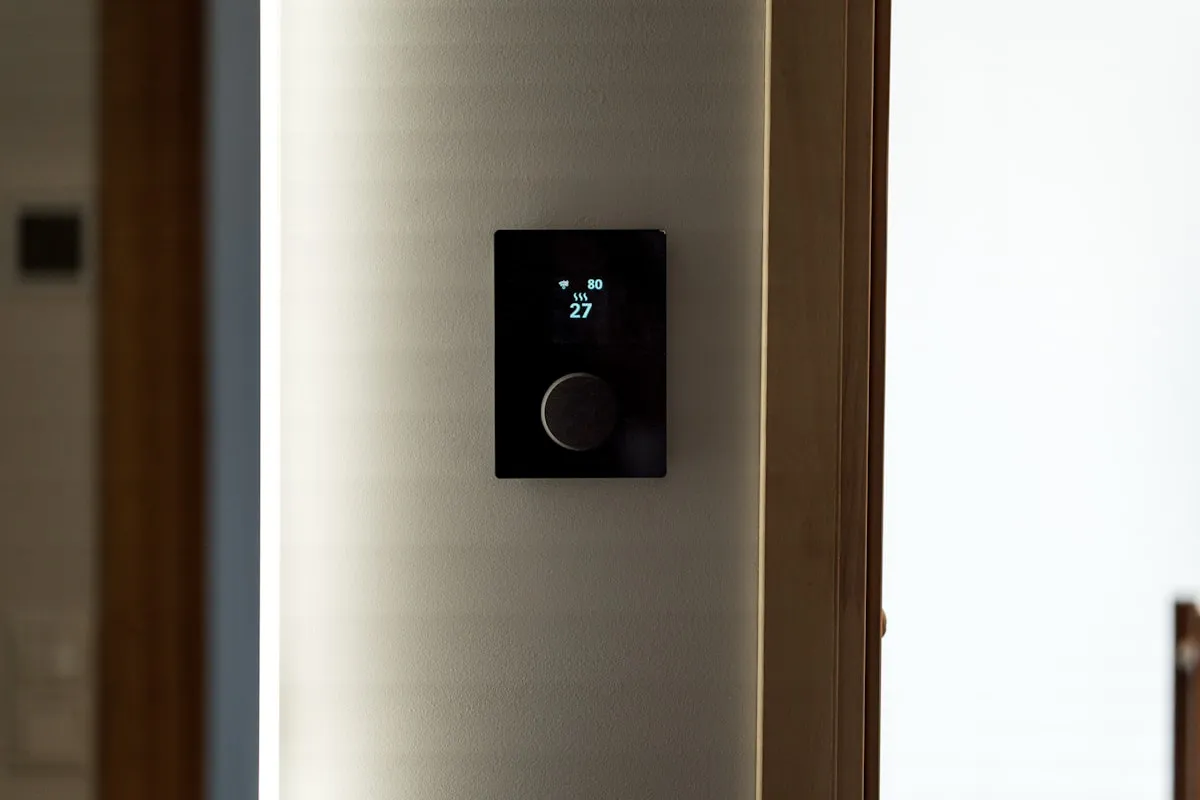
Oklahoma experiences some of the most dramatic temperature swings in the United States, with summer highs regularly exceeding 100°F and winter lows dropping below zero. Home Assistant’s Climate integration allows control and monitoring of HVAC devices and thermostats, supporting features like setting target temperatures, HVAC modes, and temperature ranges. This level of control becomes necessary when your energy bills can double during extreme weather months.
Traditional programmable thermostats offer basic scheduling, but they can’t adapt to Oklahoma’s unpredictable weather patterns. A cold front can drop temperatures 40 degrees in hours, while heat waves can persist for weeks. Manual adjustments throughout the day waste both energy and money.
Key Takeaway: Oklahoma’s extreme temperature variations require intelligent HVAC automation that responds to both scheduled needs and real-time weather conditions, something only advanced systems like Home Assistant can provide.
Setting Up Home Assistant Climate Integration
Home Assistant supports automations for HVAC adjustments based on time, such as setting temperature ranges and integrating with door/window sensors to turn off HVAC when open. The setup process starts with connecting your smart thermostat or HVAC system to Home Assistant through the appropriate integration.
Most modern thermostats from Ecobee (via the HomeKit Device integration), Honeywell, and Nest connect with Home Assistant. For older HVAC systems, you can add smart control through devices like the Sensibo Sky or Cielo Breez, which work with mini-splits and traditional units.
The Climate integration provides several key controls:
- Target temperature settings
- HVAC mode selection (heat, cool, heat_cool, auto)
- Temperature ranges with target_temp_low and target_temp_high
- Fan control and scheduling
- Humidity monitoring and control
Advanced Scheduling with Smart Heating Scheduler
This segmented approach works well for Oklahoma families. During summer months, you might set:
- Morning (6:00-9:00 AM): 76°F as family prepares for work/school
- Daytime (9:00 AM-5:00 PM): 78-80°F when house is empty
- Evening (5:00-10:00 PM): 75°F for family comfort
- Nighttime (10:00 PM-6:00 AM): 77°F for energy savings while sleeping
Winter schedules reverse the strategy, maintaining warmth when needed while reducing heating during empty hours. The scheduler automatically adjusts between workday and weekend profiles, accounting for different occupancy patterns.
Precision Temperature Control
Thermostat configurations in Home Assistant can set precision controls like min_cycle_duration and cold/warm tolerance for more accurate temperature management compared to hardware thermostats’ typical 0.5-degree tolerance. As one Home Assistant community user noted, “Most hardware ‘smart’ thermostats I’ve seen have these tolerance values hardcoded to 0.5 degrees, I’ve set these in my config to 0.2.”
This precision makes a difference in Oklahoma’s climate. A 0.2-degree tolerance versus 0.5 degrees can prevent unnecessary cycling during those shoulder seasons when temperatures hover right at your comfort threshold. It also reduces wear on your HVAC system and provides more consistent comfort.
Other precision settings include:
min_cycle_duration: Prevents short cycling that wastes energykeep_alive: Maintains minimum runtime for system efficiencycold_toleranceandheat_tolerance: Fine-tunes when heating/cooling activates
Key Takeaway: Home Assistant’s precise temperature control (0.2°F tolerance vs typical 0.5°F) prevents unnecessary HVAC cycling, reducing energy waste and equipment wear during Oklahoma’s frequent temperature fluctuations.
Visual Scheduling with Climate Scheduler Component
Climate Scheduler component (via HACS) enables visual scheduling for climate entities like thermostats and HVAC systems, allowing drawing schedules instead of coding logic, with separate profiles for weekdays/weekends. This approach eliminates the need to write complex yaml configurations for every temperature change.
The visual interface lets you drag temperature setpoints across time periods, making it easy to optimize for Oklahoma’s seasonal patterns. You can create separate profiles for:
- Summer cooling strategies
- Winter heating schedules
- Spring/fall transition periods
- Holiday or vacation modes
The component integrates with weather forecasts, automatically adjusting schedules when extreme temperatures are predicted. This proactive approach prevents your system from working harder than necessary.
Integration with Presence Detection and Sensors
Oklahoma homes benefit greatly from presence-based HVAC control. When integrated with door/window sensors, Home Assistant can automatically shut off heating or cooling if windows are opened during extreme weather. This prevents the common scenario of air conditioning running while windows are open during a pleasant spring evening.
Presence detection through phone locations, smart locks, or dedicated occupancy sensors enables true away modes. The system can:
- Reduce cooling/heating when nobody is home
- Pre-cool or pre-heat before arrival
- Override schedules based on actual occupancy
- Account for unexpected schedule changes
For Oklahoma’s severe weather, integration with weather alerts can trigger protective modes, preparing your HVAC system for incoming temperature extremes.
Real-World Oklahoma Energy Savings
Proper HVAC scheduling can reduce energy costs by up to 25% compared to static thermostat settings. In Oklahoma, where summer cooling costs typically range from $150-300+ monthly depending on home size, this translates to $25-75 in monthly savings during peak seasons. Over a full year, families commonly save $300-800 through intelligent scheduling.
The savings come from several sources:
- Reduced runtime during unoccupied hours
- Optimal temperature setbacks that maintain comfort while minimizing energy use
- Prevention of short cycling and system inefficiencies
- Weather-responsive adjustments that anticipate temperature changes
For new construction homes, integrating Home Assistant HVAC automation from the start maximizes these benefits by working with properly sized and configured systems.
Getting Started with Your Oklahoma Smart Home
Home Assistant HVAC scheduling transforms how Oklahoma homes handle extreme weather, providing both comfort and significant cost savings. The system’s ability to learn, adapt, and respond to local conditions makes it particularly valuable in our challenging climate.
At Leios Consulting, we specialize in no-subscription smart home solutions that put you in complete control of your home’s climate management. Our Home Assistant integrations work locally, ensuring your HVAC scheduling continues working even during Oklahoma’s frequent severe weather that disrupts internet connectivity. Contact us to discuss how intelligent HVAC automation can reduce your energy bills while improving comfort throughout Oklahoma’s extreme seasonal changes.
Frequently asked questions
How much can Home Assistant HVAC scheduling save on Oklahoma energy bills?
Can Home Assistant automatically turn off HVAC when windows are open?
What's the difference between Home Assistant and regular programmable thermostats?
Does Home Assistant HVAC scheduling work during internet outages?
How does presence detection improve HVAC scheduling efficiency?
Your next step
Make it useful.
Find a practical guide for the task, or talk through a technology decision for your business.