Home Assistant Energy Monitoring: Track Your Oklahoma Electricity Bills Like a Pro
What Is Home Assistant Energy Monitoring
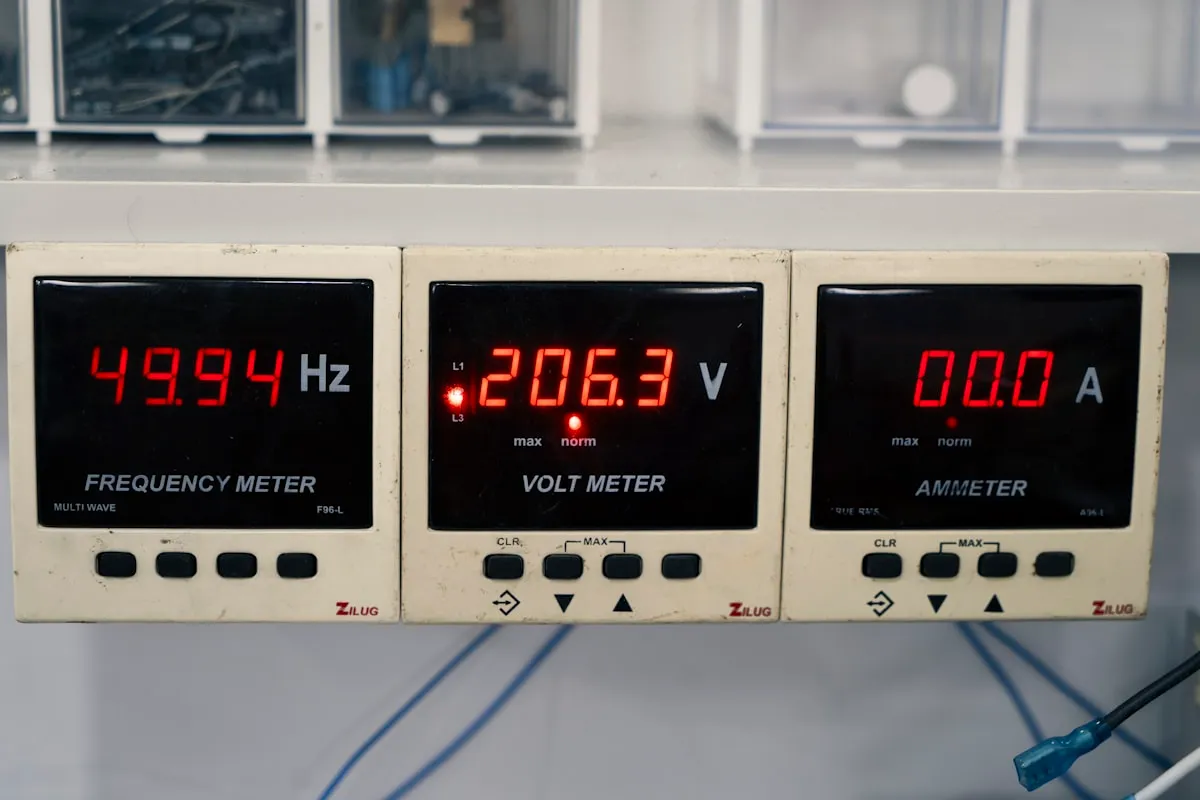
Home Assistant energy monitoring provides real-time power metering with sub-second updates, voltage and current readings, power factor calculations, and cumulative energy tracking. These smart switches, plugs, and monitoring systems provide real-time consumption data, remote control capabilities, and automated power management that can reduce electricity costs by 15-30%.
For Oklahoma homeowners dealing with fluctuating energy costs and extreme weather patterns, having detailed visibility into your electricity usage becomes financially practical. Whether you’re running AC units during Oklahoma’s brutal summers or heating systems through unpredictable winter storms, understanding exactly where your energy dollars go gives you the power to optimize.
Home Assistant can pull in energy data from any supported hardware such as smart energy meters, inverters, CT clamps, pulse monitors and smart plugs. This flexibility means you can start small with individual device monitoring and scale up to whole-home tracking as your needs grow.
Recent Home Assistant Energy Dashboard Improvements
The latest Home Assistant updates have improved energy monitoring capabilities. Home Assistant 2026.1 includes always-visible date picker in Energy Dashboard and new automation triggers for lights, climate, device trackers, and humidifiers. These improvements make it easier to analyze your energy patterns over specific time periods.
Home Assistant 2026.2 now supports power sensors in various formats without templates, including inverted polarity for grid/battery and separate positive sensors for import/export. This is particularly valuable for Oklahoma homeowners with solar installations who want to track both energy production and consumption.
The updated Energy Dashboard now includes:
- Simplified power sensor integration
- Better solar production tracking
- Improved gas meter support through Powerfox
- New summaries section for quick energy insights
- Improved statistic graph cards with direct history panel links
Key Takeaway: Home Assistant’s 2026 updates have simplified energy monitoring setup, with better solar integration and streamlined dashboard views for tracking your Oklahoma electricity usage patterns.
Best Hardware Options for Oklahoma Energy Monitoring
Choosing the right hardware depends on your monitoring goals and technical comfort level. For whole-home monitoring, the Makerfabs ESP32-S3-based Energy Meter uses the BL0942 calibration-free energy metering IC with less than 1% active energy measurement error, supports voltage, current, power, and energy measurements, operates on 100-240V AC, and includes a 15A/3600W relay.
For non-invasive monitoring, CT clamps can be implemented with Home Assistant for whole-home tracking without wiring into panels. This approach works well for renters or homeowners who prefer not to modify their electrical panels.
Other popular options include:
- Smart plugs for individual device monitoring
- Shelly devices for in-wall switch monitoring
- Emporia Vue for comprehensive panel monitoring
- Sense for AI-powered device detection
- Solar inverter integration for production tracking
When selecting hardware for Oklahoma’s climate, consider devices rated for temperature extremes if installing in garages, attics, or outdoor locations. Oklahoma’s temperature swings from below freezing to over 100°F can affect some electronic components.
Setting Up Your Energy Monitoring Dashboard
Once your hardware is connected to Home Assistant, creating effective energy dashboards requires understanding your specific usage patterns. Start with the built-in Energy Dashboard, which automatically aggregates data from your connected sensors.
For Oklahoma-specific optimizations, consider these dashboard elements:
- Seasonal comparisons to track AC and heating efficiency
- Peak demand tracking during summer cooling periods
- Weather correlation to understand usage spikes during storms
- Time-of-use analysis if your utility offers variable pricing
The Energy Dashboard supports various data sources simultaneously, so you can combine smart meter data with individual device monitoring for comprehensive insights. Advanced users can create custom dashboard cards showing real-time costs based on your utility’s rate structure.
Key Takeaway: Effective energy dashboards combine multiple data sources and focus on Oklahoma-specific patterns like seasonal HVAC usage and storm-related consumption spikes.
Automations That Cut Your Electric Bill
The real value of Home Assistant energy monitoring comes through intelligent automations that respond to your usage patterns and external conditions. Here are proven strategies for Oklahoma homes:
Peak Shaving Automations:
- Automatically reduce non-essential loads during high-demand periods
- Stage HVAC startup to avoid simultaneous high draws
- Defer water heater operation during peak rate hours
Weather-Responsive Controls:
- Pre-cool homes before peak afternoon temperatures
- Adjust thermostat setpoints based on energy costs and weather forecasts
- Automatically close smart blinds during intense Oklahoma sun
Load Management:
- Rotate heavy appliances to avoid demand charges
- Schedule EV charging during off-peak hours
- Temporarily disable non-critical devices during high usage
These automations work particularly well with our no-subscription smart home approach, giving you complete control over your energy-saving strategies without monthly fees eating into your savings.
Oklahoma-Specific Energy Monitoring Benefits
Oklahoma’s unique energy landscape makes Home Assistant monitoring especially valuable. The state’s deregulated electricity market in some areas means rate shopping opportunities, while rural areas often face different rate structures than urban centers.
Oklahoma’s severe weather patterns create specific monitoring needs:
- Storm preparation: Track energy usage to optimize backup power sizing
- Seasonal efficiency: Compare HVAC performance year-over-year
- Grid reliability: Monitor power quality during weather events
- Solar optimization: Track production against Oklahoma’s variable weather
For new construction buyers working with builders throughout the Oklahoma City metro, energy monitoring integration should be planned during the pre-wire phase. This ensures optimal sensor placement and eliminates retrofit complications.
Advanced Energy Analytics and Long-Term Planning
Home Assistant’s long-term statistics provide valuable insights for major home decisions. Track appliance efficiency degradation over time, identify the best times for equipment replacement, and quantify the impact of home improvements.
Advanced analytics can help with:
- HVAC sizing for additions or replacements
- Solar system sizing based on actual consumption patterns
- Electric vehicle impact planning
- Home battery system optimization
- Utility rate comparison for plan changes
The data collected through Home Assistant monitoring becomes increasingly valuable over time, helping you make informed decisions about equipment upgrades, utility contracts, and home modifications.
Getting Started with Professional Installation
While many energy monitoring components can be DIY projects, complex installations benefit from professional expertise. Electrical panel work, CT clamp installation, and whole-home monitoring systems often require licensed electrical work to ensure safety and code compliance.
At Leios Consulting, we help Oklahoma homeowners design and implement comprehensive Home Assistant integration that includes energy monitoring as part of a broader smart home ecosystem. Our approach ensures your monitoring system integrates seamlessly with other home automation functions while maintaining the local control and subscription-free operation that makes Home Assistant appealing.
If you’re ready to take control of your Oklahoma electricity bills through intelligent monitoring and automation, book a free consultation to discuss your specific needs and goals. We’ll help you design a system that provides immediate insights and long-term savings without the ongoing subscription costs that affect other smart home platforms.
Frequently Asked Questions
How much can Home Assistant energy monitoring reduce my Oklahoma electricity bill?
Home Assistant energy monitoring devices can reduce electricity costs by 15-30% through real-time tracking and intelligent automations that optimize usage patterns and reduce peak demand charges.
What's the most accurate energy meter for Home Assistant?
The Makerfabs ESP32-S3 Energy Meter features the BL0942 IC with less than 1% active energy measurement error and 4000:1 dynamic range, making it one of the most accurate options available for Home Assistant integration.
Can I monitor my whole home's energy usage without modifying my electrical panel?
Yes, non-invasive CT clamps can be installed around your main electrical feeds without any panel modifications, providing whole-home energy monitoring that integrates directly with Home Assistant.
Does Home Assistant energy monitoring work with solar panels?
Yes, Home Assistant 2026.2 enhanced support for solar monitoring with inverted polarity sensors and separate import/export tracking, plus integration with inverters and eGauge systems for comprehensive solar production monitoring.
What hardware do I need to start energy monitoring with Home Assistant?
You can start with smart plugs for individual devices, upgrade to smart switches like Shelly devices for circuits, or install whole-home monitors like CT clamps or panel meters depending on your monitoring goals and technical comfort level.
Ready to get started?
Leios Consulting provides professional smart home and networking services throughout Oklahoma. Schedule a free consultation to discuss your project.
Contact Us