Aqara FP2 vs. Philips Hue Motion: Which Presence Sensor Actually Works in Oklahoma Homes?
Technical Specifications: mmWave vs Traditional PIR
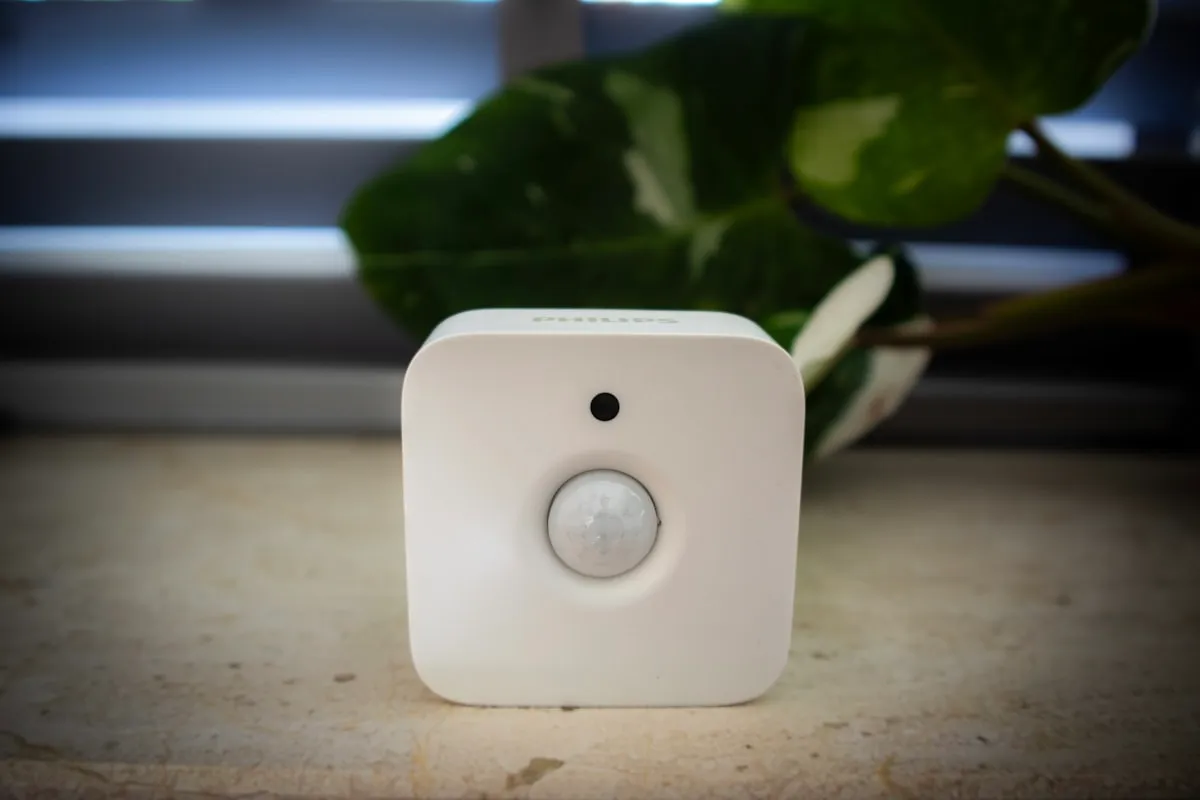
The Aqara FP2 uses 60GHz mmWave radar technology with a 120° detection angle and 6-8m range, while the Philips Hue Motion Sensor relies on traditional PIR with roughly 100-172° detection angle up to 7m. The key difference is how they detect human presence.
The Aqara FP2’s mmWave radar can detect static presence and track multiple people simultaneously across 20×16 detection zones. This means it won’t turn off your lights when you’re sitting still reading or working at your desk. The Philips Hue Motion Sensor only detects movement and will eventually time out if you stop moving.
For Oklahoma’s climate, both sensors work within suitable ranges. The Aqara FP2 handles -10°C to 40°C with 0-95% humidity, easily covering our hot summers and occasional cold snaps.
Real-World Performance Testing
In our Oklahoma installations, the response time differences are immediately noticeable. Testing shows the Aqara FP2 detects motion almost instantaneously with under 1-second delay, while the Hue sensor performs well but typically registers motion a split second after the Aqara.
The zone customization feature sets the FP2 apart. Through the Aqara app, you can create custom motion zones via 2D scan for granular automations. This means you can trigger different automations based on whether someone enters the kitchen area versus just walking through the hallway.
Key Takeaway: The Aqara FP2’s mmWave technology solves the “lights turning off while you’re still in the room” problem that traditional PIR sensors like the Philips Hue Motion can’t avoid.
Integration and Compatibility Comparison
Both sensors work well with popular smart home platforms, but their integration paths differ. The Aqara FP2 supports Apple HomeKit, Amazon Alexa, Google Home, Home Assistant, and Matter, making it versatile for our Home Assistant integration setups.
The Philips Hue Motion Sensor integrates seamlessly with the Hue ecosystem without requiring additional hubs if you already have a Hue Bridge. However, for broader smart home integration, you’ll still need a compatible hub or platform.
For controlling Philips Hue lights specifically, the Aqara FP2 can work with Hue lights through integrations like the Aqara M3 Hub. In Home Assistant, both sensors integrate well, giving you complete local control without monthly subscriptions.
Installation and Mounting Options
The installation experience differs between these sensors. The Aqara FP2 features a magnetic mounting base with 360° rotating swivel, making positioning adjustments simple after installation. This flexibility proves important for optimizing detection zones.
The Philips Hue Motion Sensor mounts more traditionally and runs on batteries, eliminating the need for USB power but requiring periodic battery changes. The FP2 requires constant USB power, which can limit placement options but ensures consistent performance.
Key Takeaway: The Aqara FP2’s zone mapping capabilities make it function like multiple sensors in one room, providing more automation possibilities than traditional motion sensors.
Cost Analysis and Value Proposition
Price-wise, both sensors occupy similar market positions, but their value propositions differ. The Aqara FP2 typically costs slightly more upfront but offers more functionality with its presence detection and zone mapping capabilities.
The Philips Hue Motion Sensor provides excellent value if you’re already invested in the Hue ecosystem and primarily need basic motion detection for lighting automation. Its battery operation can be both a benefit (no wiring needed) and a drawback (ongoing maintenance).
For Oklahoma homeowners building automation systems, the FP2’s ability to detect static presence makes it valuable for realistic home automation that doesn’t constantly fight against sensor limitations.
Oklahoma Climate Considerations
Our testing in Oklahoma’s varied climate shows both sensors perform reliably. The Aqara FP2’s sealed design handles humidity well during our muggy summers, while the temperature range easily covers everything from air-conditioned interiors to garage installations.
The Philips Hue Motion Sensor’s battery life can be affected by extreme temperatures, though this rarely becomes an issue in climate-controlled homes. For outdoor covered areas or garages, the Aqara FP2’s wired power connection provides more consistent performance.
Which Sensor Should You Choose?
Choose the Aqara FP2 if you want true presence detection and zone capabilities, and don’t mind running USB power to the installation location. It’s ideal for living rooms, bedrooms, offices, and any space where people spend extended time in relatively stationary positions.
Select the Philips Hue Motion Sensor if you’re primarily automating hallways, entryways, or other transitional spaces where basic motion detection works well. It’s also the better choice if you’re heavily invested in the Philips Hue ecosystem and want seamless integration.
For most Oklahoma smart homes we design, the Aqara FP2 provides better long-term value despite its higher complexity. The elimination of “lights turning off while you’re still there” complaints alone justifies the investment for most families.
At Leios Consulting, we help Oklahoma homeowners choose the right presence sensors for their specific needs and integrate them into comprehensive no-subscription smart home systems. Whether you’re building new or retrofitting an existing home, we’ll design an automation system that works for your lifestyle. Book a free consultation to discuss which presence detection solution makes sense for your Oklahoma home.
Frequently Asked Questions
Does the Aqara FP2 work with Philips Hue lights?
Yes, the Aqara FP2 can control Philips Hue lights through integrations like the Aqara M3 Hub or platforms like Home Assistant. Direct integration requires a compatible hub or smart home platform.
What's the main difference between presence sensors and motion sensors?
Presence sensors like the Aqara FP2 detect when someone is in a room even if they're stationary, while motion sensors like the Philips Hue only detect movement. This prevents lights from turning off when you're sitting still.
Which sensor has better response time for turning on lights?
The Aqara FP2 typically responds faster with under 1-second delay, while the Philips Hue Motion Sensor follows very closely behind. Both are fast enough for practical home automation use.
Can I use multiple zones with the Aqara FP2 in one room?
Yes, the Aqara FP2 supports 20×16 detection zones that you can customize through the Aqara app. This allows different automations based on which area of the room someone enters.
Do these sensors need a hub to work with Home Assistant?
The Aqara FP2 connects directly via WiFi and supports Matter for easy Home Assistant integration. The Philips Hue Motion Sensor requires a Hue Bridge for most smart home platform integrations.
Ready to get started?
Leios Consulting provides professional smart home and networking services throughout Oklahoma. Schedule a free consultation to discuss your project.
Contact Us